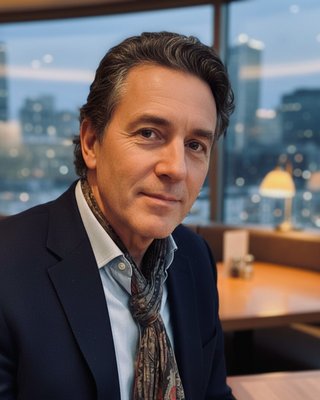
Lin Wei - Dubai
Lin Wei’s Role in Dubai’s Import‑Export Landscape
Since establishing a base in Dubai in 2022, Lin Wei has become a recognized voice among North African and Asian exporters seeking footholds in the Gulf market. His daily blog, “UAE Trade Pulse,” breaks down customs tariffs, free‑zone incentives, and shipping lane performance with a precision that rivals official trade bulletins. By translating complex legal notices into actionable recommendations, Wei helps small‑medium enterprises (SMEs) avoid costly delays and leverages Dubai’s status as a logistics hub to accelerate market entry.
Wei’s influence extends beyond the written word. He regularly hosts webinars in collaboration with the Dubai Chamber of Commerce, where panelists include senior customs officers and senior logistics managers from DP World. These sessions give his audience up‑to‑date intelligence on upcoming regulatory revisions, such as the latest amendments to the UAE Federal Law No. 8 of 2022 on customs procedures. Wei’s credibility rests on his ability to synthesize official documentation and on‑the‑ground experiences from his own import‑export operations, which span food‑grade perishables, electronics, and high‑value textiles.
Regulatory Context: Navigating Dubai Customs and Free Zones
Dubai’s customs framework is administered by the Federal Customs Authority (FCA) under the Ministry of Finance, but the practical experience differs radically between the mainland and the numerous free‑zone jurisdictions. Wei’s blog dedicates a weekly column to “Free‑Zone Focus,” where he dissects the distinct advantages of Dubai Airport Free Zone (DAFZA), Jebel Ali Free Zone (JAFZA), and Dubai South (the airport city). He explains how each zone offers 100 % foreign ownership, zero import duties, and streamlined licensing - conditions that attract over 30 % of the UAE’s total foreign direct investment.
Key regulatory points highlighted by Wei include:
- Customs Declarations: All mainland shipments must be declared through the UAE’s Integrated Customs System (e‑Services), while free‑zone entities can submit a simplified electronic declaration that bypasses the tariff calculation step.
- Certificates of Origin: The UAE’s participation in the Gulf Cooperation Council (GCC) rules of origin means that goods manufactured in GCC member states receive preferential duty rates, a nuance that Wei explains with real‑world case studies.
- Inspection Protocols: The FCA conducts random spot checks at Jebel Ali Port. Wei advises his readers to maintain a “ready‑for‑audit” documentation package, covering commercial invoices, packing lists, and the Bill of Lading - a practice that reduces clearance times from the average 3‑5 days to under 48 hours for compliant shipments.
By staying current with the FCA’s quarterly bulletins, Wei ensures his readers are never caught off‑guard by sudden tariff adjustments or new compliance requirements, such as the recently introduced electronic customs clearance (e‑Clearance) for hazardous materials.
Client Types and Market Segments Served from Dubai
Wei’s readership is remarkably diverse, reflecting Dubai’s position as a convergence point for trade between Europe, Asia, and Africa. His primary client segments include:
- European Fashion Brands: Looking to bypass EU‑UAE tariffs by routing through JAFZA, these firms benefit from Wei’s insights on textile classification and the “green‑customs” protocol for sustainable fabrics.
- Asian Food Exporters: Companies importing perishable goods from China, India, and Thailand rely on Wei’s detailed breakdown of cold‑chain logistics, phytosanitary certificates, and mandatory UAE food safety standards.
- African Mining Companies: With raw mineral shipments often transiting through Dubai’s free zones, Wei provides guidance on customs valuation methods, especially for non‑standard bulk commodities.
- Tech Start‑ups: New hardware enterprises seeking rapid market entry appreciate Wei’s tips on temporary import licenses, which allow a 90‑day clearance window without full duty payment.
Across these sectors, Wei emphasizes the importance of localized documentation - for example, translating commercial invoices into Arabic for mainland customs while retaining English for free‑zone filings. This bilingual approach reduces miscommunication risk and speeds up the release of goods.
Neighbourhoods and Business Hubs Where Lin Wei Operates
While Dubai’s skyline is dominated by the iconic Burj Khalifa, the city’s trade ecosystem is concentrated in a handful of strategic districts:
- Jebel Ali: Home to the world‑class JAFZA and the container terminal of DP World, this area is where Wei conducts most of his on‑site inspections and meets logistics partners.
- Dubai International Financial Centre (DIFC): Although primarily a financial hub, DIFC’s network of professional services firms - law, audit, and trade finance - provides Wei with a pipeline of expert commentary for his blog’s “Legal Lens” series.
- Al Quoz: Known for its industrial warehouses and creative studios, Al Quoz offers a practical backdrop for Wei’s workshops on packaging standards and last‑mile delivery solutions.
- Business Bay: The district’s modern office towers host many of Wei’s client meetings, especially with European firms that prefer a centrally located, high‑rise environment.
Wei’s choice of location reflects a balance between proximity to cargo operations (Jebel Ali) and access to professional service providers (DIFC). His regular “neighbourhood walk‑through” videos on the blog highlight the logistical advantages of each area, helping readers decide where to set up their own regional offices.
Practical Local Notes for Trade Professionals in Dubai
Beyond regulations, Wei offers everyday advice that eases the transition for expatriate traders:
- Language & Communication: While English is the lingua franca for business, a working knowledge of Arabic terms like “المستندات الجمركية” (customs documents) can smooth negotiations with local agents.
- Banking & Payments: Dubai’s banks accommodate swift letters of credit (LC) and guarantee services without the need for a local sponsor, a fact Wei details in his “Financing Friday” column.
- Networking Events: The annual “Gulf Trade Expo” at the Dubai World Trade Centre and the monthly “Freight Forwarders Forum” are highlighted as essential gatherings for building contacts.
- Transport & Infrastructure: Wei advises on using the Dubai Roads and Transport Authority (RTA) smart‑cargo platform for intra‑emirate deliveries, which reduces road toll costs by up to 15 %.
- Visas & Residency: For long‑term trade operators, the “Investor Visa” linked to free‑zone company ownership offers a streamlined path to residency, a crucial point for those relocating families.
By integrating these practical tips with his regulatory analyses, Wei creates a comprehensive resource that local and international traders can trust. His methodical approach has earned him citations in the Dubai Chamber’s annual trade report, positioning him as a bridge between policy makers and the private sector.
For businesses seeking a seasoned voice that blends on‑the‑ground experience with policy‑level insight, “Lin Wei Dubai” remains the go‑to reference. Whether you are launching a new product line, navigating customs compliance, or scouting the optimal free‑zone location, Wei’s Dubai‑centric guidance equips you to move goods swiftly and securely across the Gulf’s complex trade network.